News

Instant Insights: Real-Time Plankton Classification Now Online

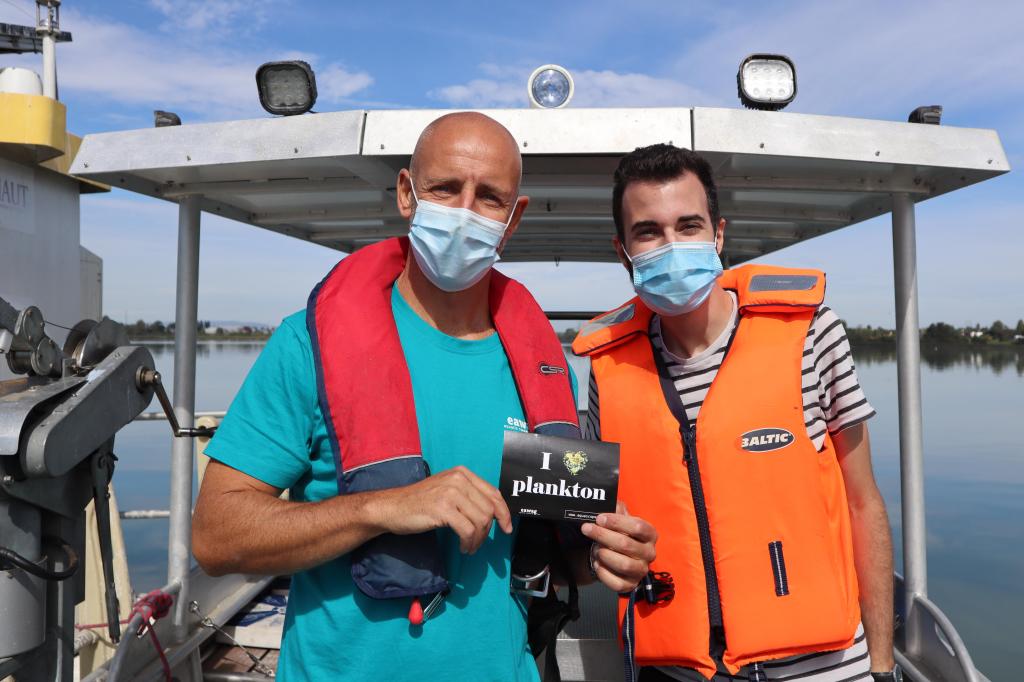
For over six years, our team has been exploring the underwater world of Greifensee—at a steady depth of 3 meters. Every hour, for 10 minutes, we’ve captured high-resolution images of aquatic life ranging in size from just 10 micrometres to 1 centimetre. The result? A staggering archive of over 60 million images (and counting)!

Each image is processed using a convolutional neural network (CNN) classifier that automatically identifies and categorises different types of plankton. This cutting-edge technology has allowed us to build one of the most comprehensive datasets of freshwater plankton ever.

Until now, visitors to our website have been able to view the latest real-time images of plankton drifting through the lake. But we’re excited to announce a major leap forward:
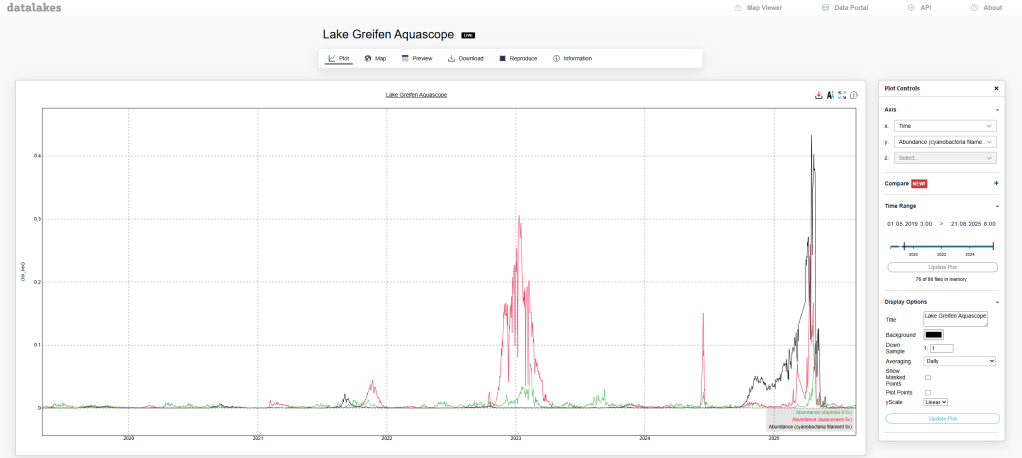
The launch of our real-time plankton composition dashboard! 🚀

Ever wondered how many Daphnias or Ceratiums were swimming in Greifensee just yesterday? Or even an hour ago? Now you can find out—instantly.

This new feature opens up exciting possibilities for researchers, educators, and nature enthusiasts alike. Whether you’re studying ecological trends or simply curious about the invisible life beneath the surface, our data is now just a click away.
We invite you to dive in and explore the dynamics of Greifensee’s microscopic world—hour by hour, day by day, year by year.

Stay tuned as we continue to unlock the secrets of Greifensee—one image at a time.

🙏 A big thank you goes to Stuart Dennis and James Runnalls for making this possible. 🙏
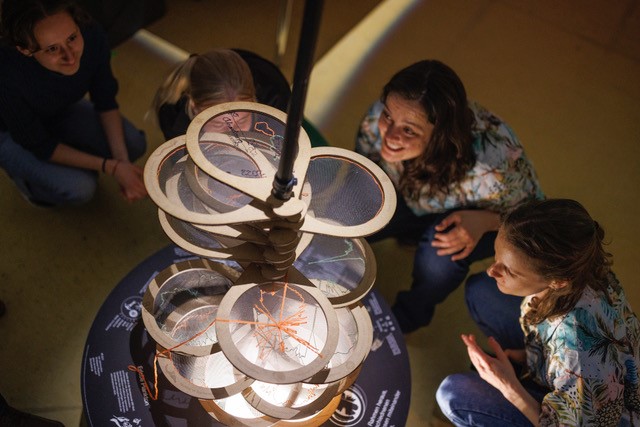
Aquascope meets Data Design + Art

© Photo by Matthias Pfammatter

We recently had the pleasure of collaborating with the Data Design + Art department at HSLU on a unique interdisciplinary project. Three talented students – Laura, Anna, and Vivienne – took on the challenge of transforming a year’s worth of phytoplankton and zooplankton data into an immersive artistic experience.

Working independently, the students began by aggregating the data at the class level and creating compelling visualisations. They then designed and built physical frames and meticulously stitched time series data into fabric, combining scientific precision with creative craftsmanship.

But they didn’t stop there: using cutting-edge tools, the team also developed a virtual reality experience that allows users to dive into a surreal, data-driven underwater world teeming with plankton.

We are incredibly impressed by the creativity, dedication, and skill these students demonstrated – and by the support and guidance they received from their instructors. This collaboration is a wonderful example of what happens when science meets design.

Aquascope at the masoala hall

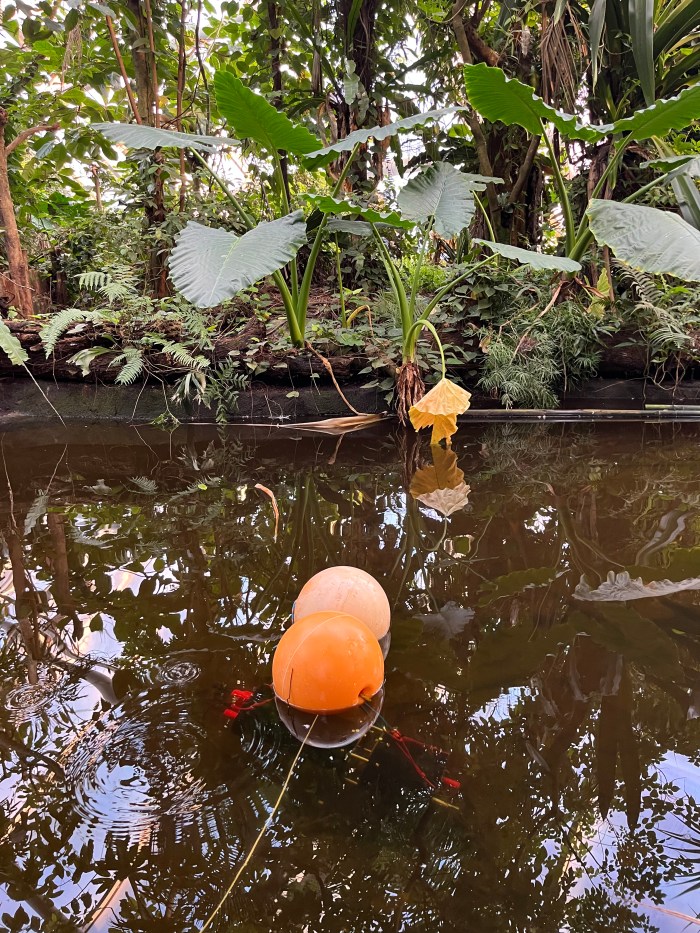
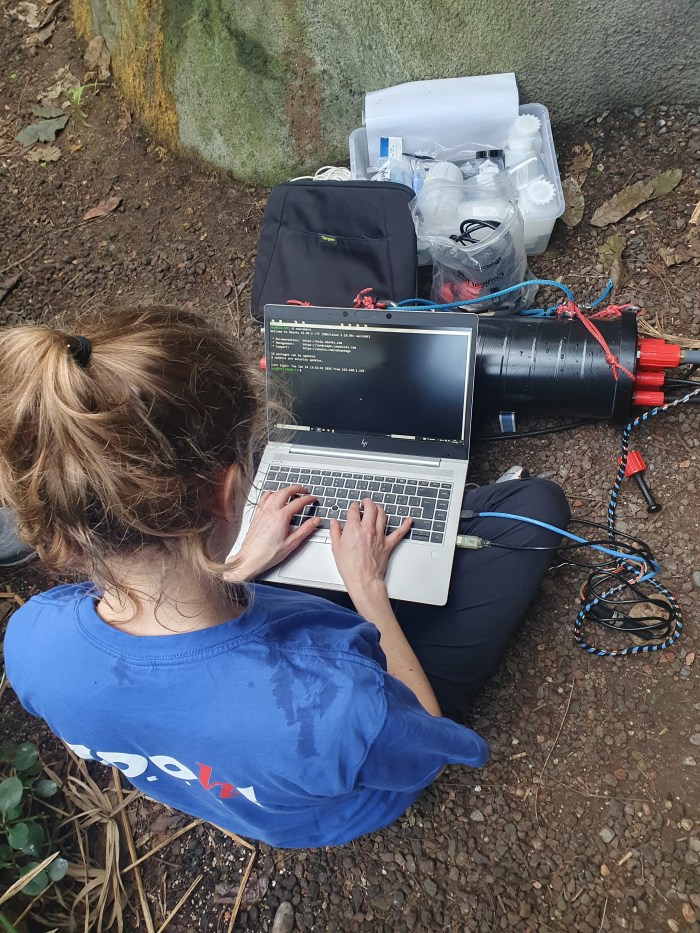
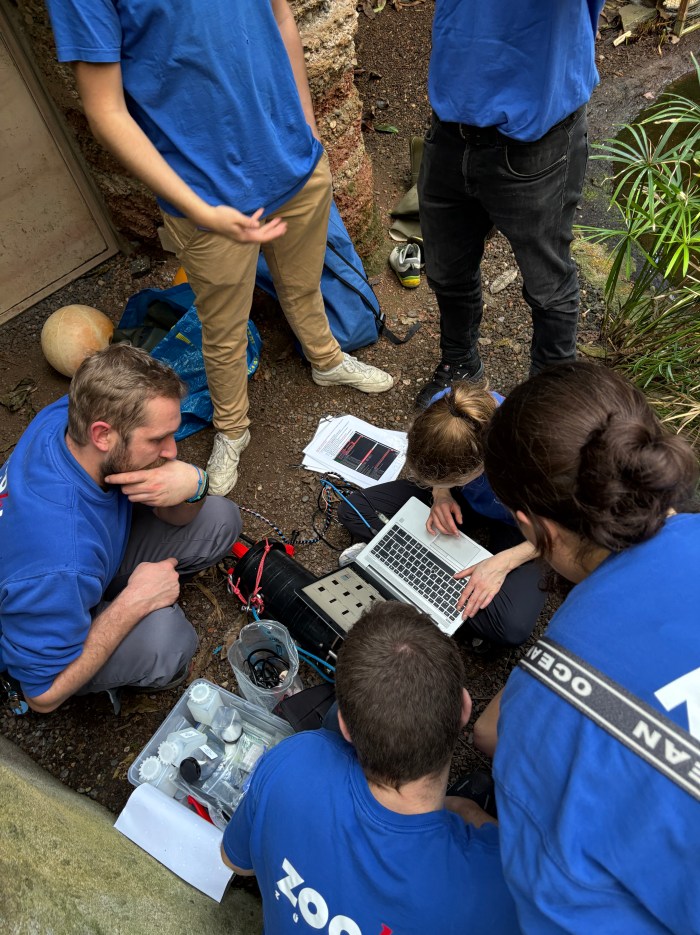
The Aquascope explored the Masoala Hall at the Zurich Zoo. We delved into the diversity of the different pond systems in the tropical rainforest with traditional freshwater monitoring techniques such as kick nets for macrozoobenthos assessment and plankton net tows. In addition, we installed the Aquascope in two of the ponds to explore the hidden life of plankton in the ponds. We also measured nutrients, temperature, oxygen and pH to help the Zoo get a full picture of their ecosystems within the unique Masoala ecosystem.

Aquascope travels to the azores

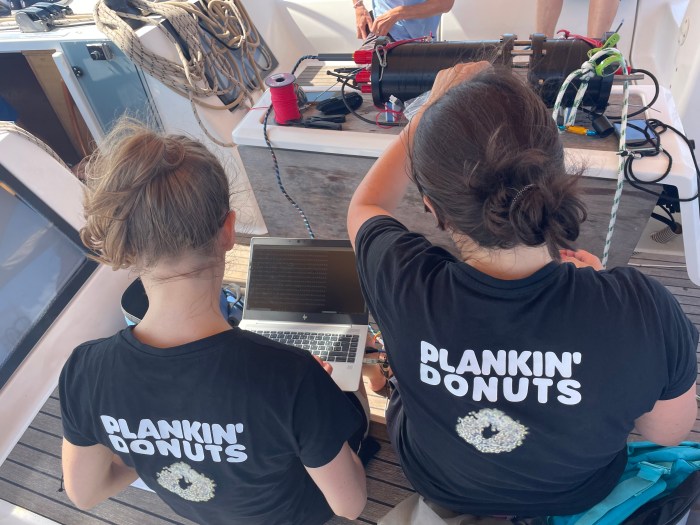
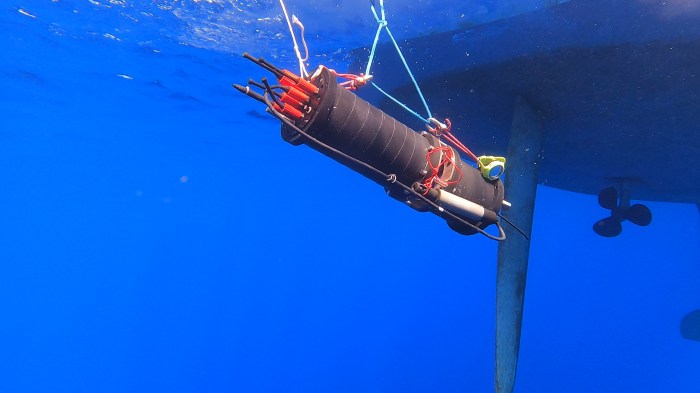
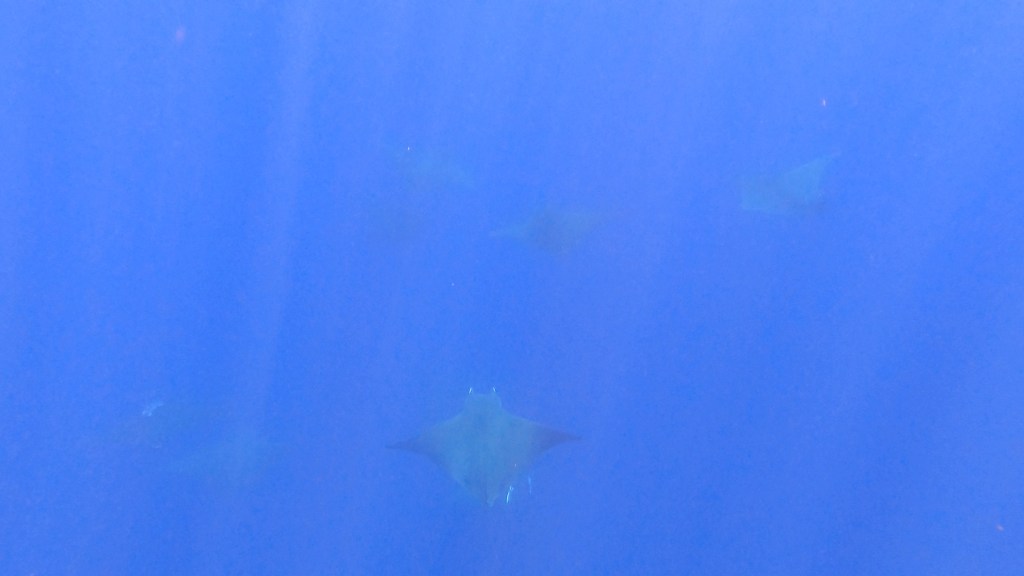
The Aquascope travelled to the Azores to discover marine plankton. We got invited by the Sail & Explore Association to join their sampling expedition. They sample microplastics in different parts of the world, including the Azores. In further collaboration with OKEANOS Institute of the University of the Azores, we got to image the plankton that sustains many marine animals including the large filter feeders found round the island and the Princess Alice seamount.

Aquascope expands to lake zug

We installed a second Aquascope underwater camera in Lake Zug. It is the second permanent measuring station for plankton in Swiss water bodies. The underwater camera delivers high-resolution images and is able to analyse them automatically. This will provide important insights into the water quality and aquatic biodiversity of Lake Zug in the future.
More details about the installation can be found here. The latest images from Zug can be found here.

Aquascope and drones in action for science – tv report

Our team together with the team of Mirko Kovac had the pleasure to show the technology we currently use to investigate plankton communities in Lake Greifen. This time besides diving deep in the water, we also took off with our drone and tested the new equipment under real conditions.

The video is available at the 3Sat Mediathek here:


https://www.3sat.de/wissen/nano/211213-drohne-nano-100.html

Aquascope team in RSI

From left: Francesco Pomati and Alberto Silini
Copyright: A. Silini

Alberto Sili from Radiotelevision Svizzera went with us to our weekly monitoring at Greifensee, where Francesco Pomati shared some insights of our work with the underwater microscope. To watch the report click the image below:

Also to see at:

Facebook: https://www.facebook.com/RSInews/videos/942231182951619

Twitter: https://twitter.com/NouvoIT/status/1302146989518237698

Instagram: https://www.instagram.com/tv/CEv1RZcKndk/

Aquascope in Swiss TV

SRF visited us last week to talk about algal blooms in Swiss lakes and our monitoring project at Greifensee. Francesco Pomati (Eawag) and Elisabeth Janssen (Eawag) talked about the problematic of cyanobacteria toxicity that will gain importance in the face of rising temperatures.
Watch the PULS reportage (in German) from 9th of September 2019 at the following link:

https://www.srf.ch/news/schweiz/risiko-algenbluete-in-den-schweizer-seen-schlummert-die-gefahr