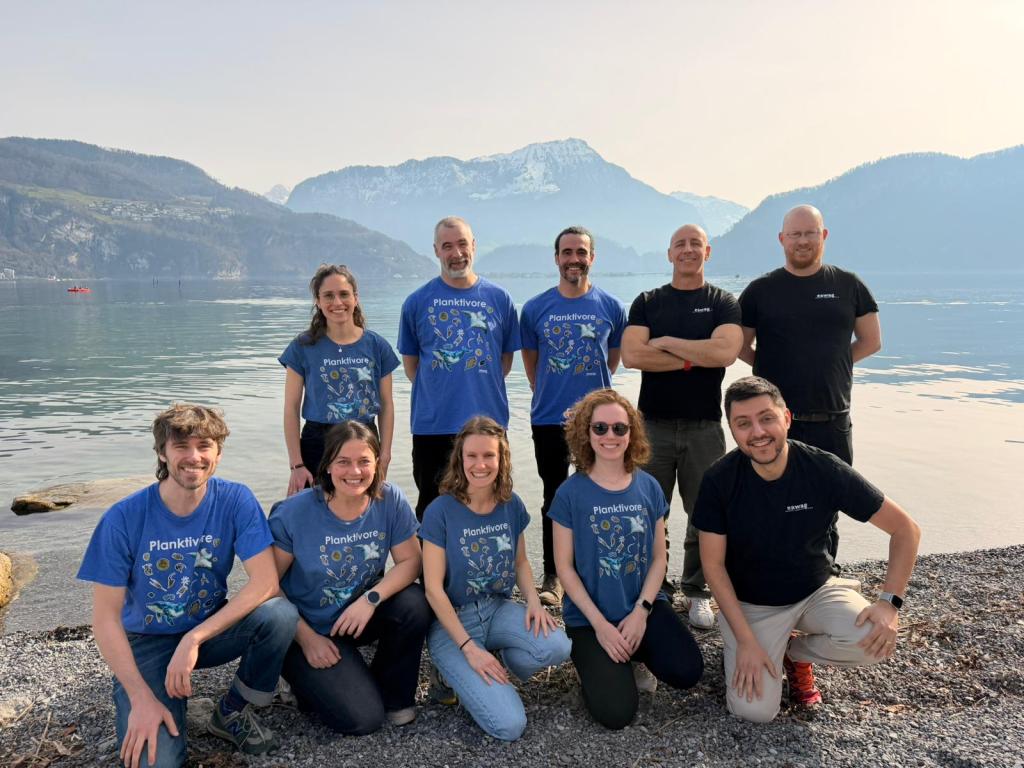
We are a welcoming and open-minded team that genuinely enjoys working together. We are all a little bit passionate – perhaps even a little bit obsessed – about plankton and the questions we study. This shared curiosity creates a collaborative and supportive atmosphere where ideas flow freely and people help each other. We strive to build an inclusive and respectful research culture in which different backgrounds, perspectives, and experiences are valued. For us, science is not only about discovering how ecosystems work, but also about creating a community where creativity, curiosity, and collaboration can thrive.
Current team members

Christian Ebi (eawag)
With a background as an electrical engineer I work as technician across departments. My main task is the support of research groups in questions related to Wireless data transmission, sensor networks, sensors and electronics. The fieldwork includes deploying, testing, maintenance and optimization of measurement systems in the field of water research.
Francesco Pomati (EAWAG)
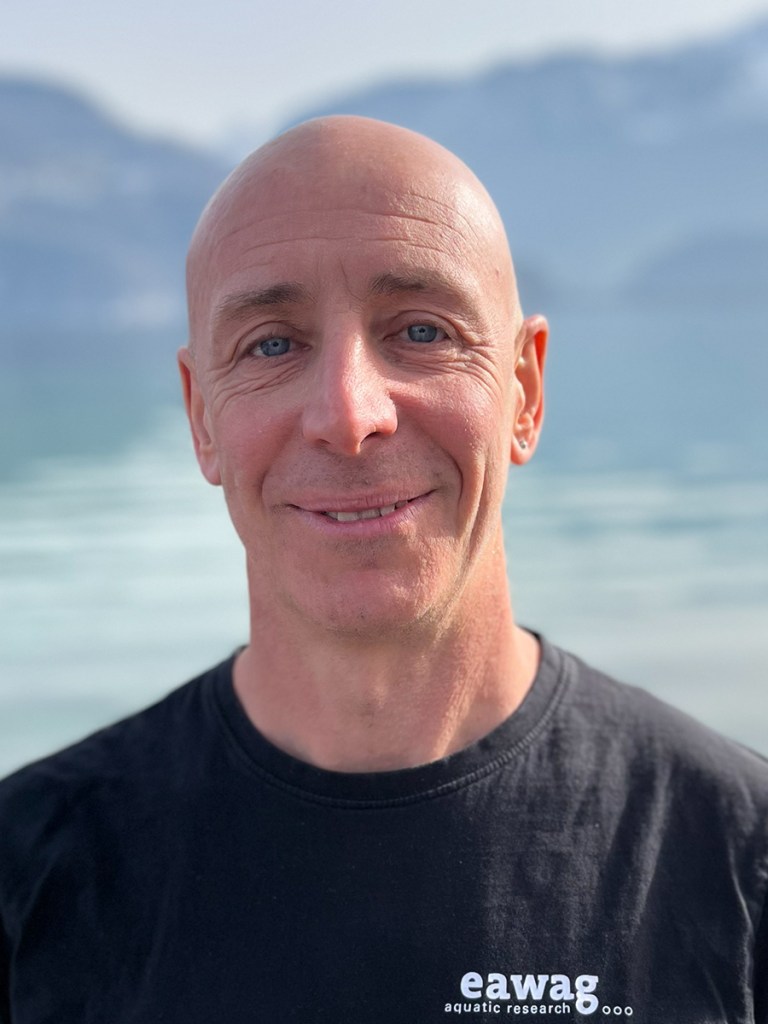
I have broad interests in microbial community ecology and evolution. I aim at understanding the effects of human-induced environmental change on plankton biodiversity, and the consequences of biodiversity change for aquatic ecosystem functioning. I approach community ecology from a trait-based perspective to link individual and population responses to community and ecosystem level processes. To achieve the above goals, I apply or develop new tools for studying microbial communities in their natural environment.
Gabrielle Koerich (eawag)
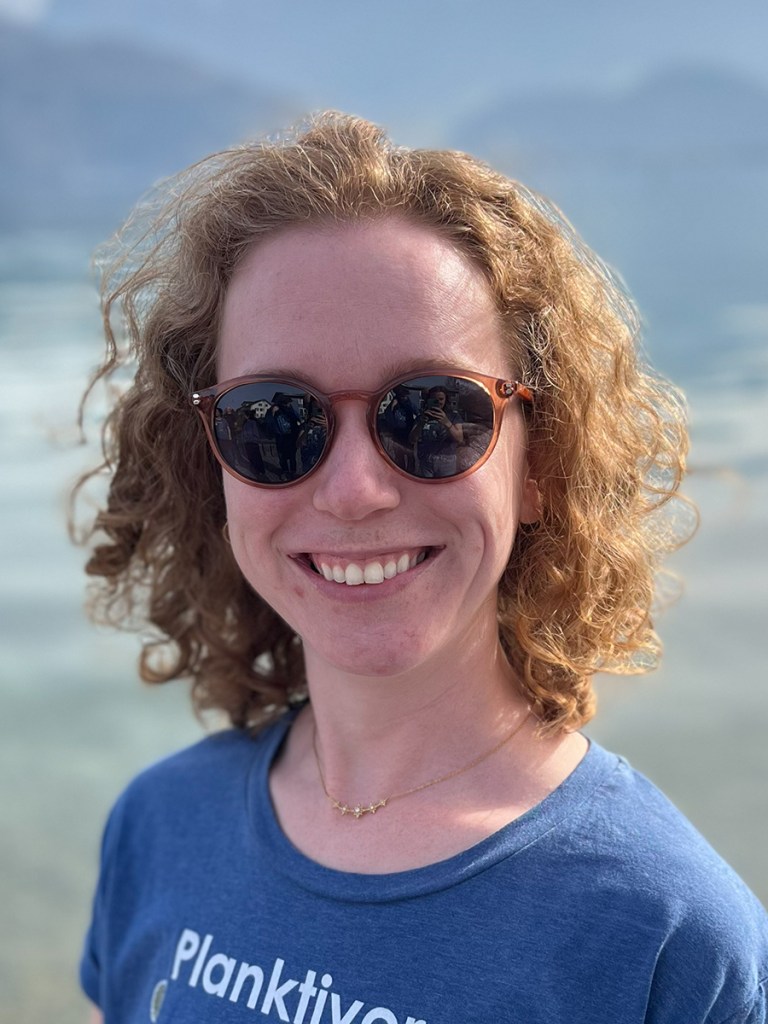
I am a quantitative ecologist focused on understanding community dynamics across time and space, with particular interest in how environmental change can affect the mechanisms driving biodiversity patterns. My current postdoctoral research examines the prevalence of chaotic dynamics in plankton communities and explores how chaos affects our capacity to forecast ecological change in natural systems. My previous work has spanned diverse ecosystems, from marine macroalgae to Antarctic mosses, but I have been fascinated by phytoplankton from early on in my career, and I am excited to be finally deciphering their secrets.
Jon Norberg (STOCKHOLM UNIVERSITY)
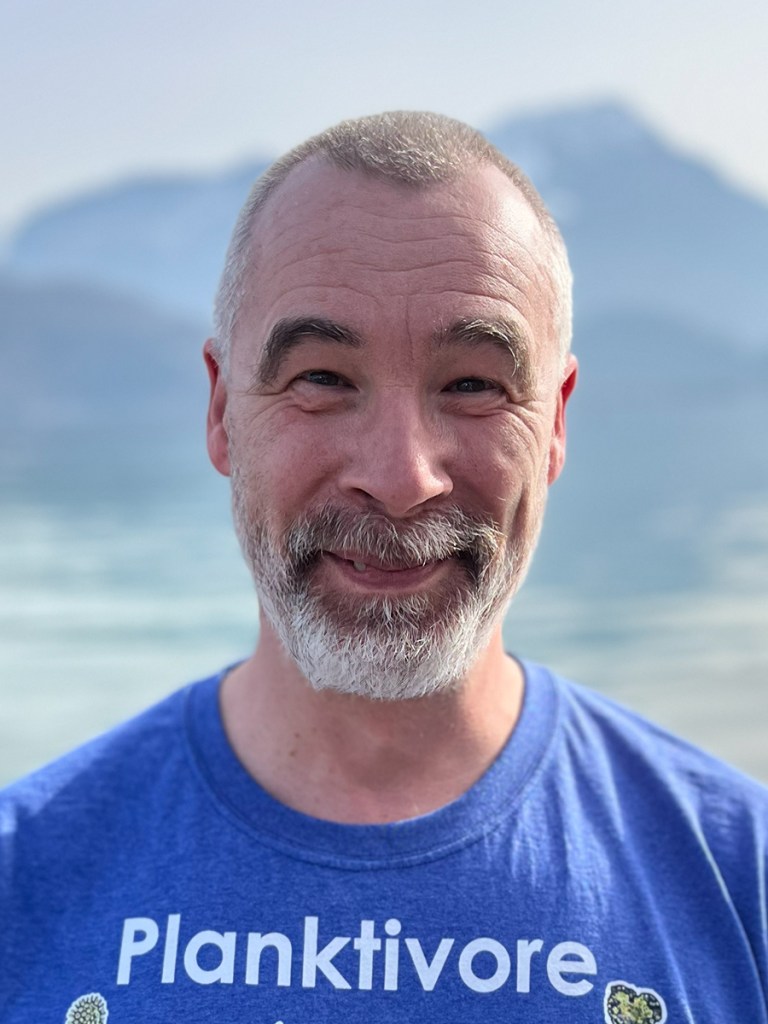
I am a theoretical ecologist from Stockholm Sweden focussing on trait-based perspective on community dynamics and adaptive responses to environmental change. I am interested in using machine learning to extract fundamental physiology from field measured data as a complement to traditional lab-generated mechanistic understanding. I also work on transdisciplinary problems like resource use by heterogeneous user groups.
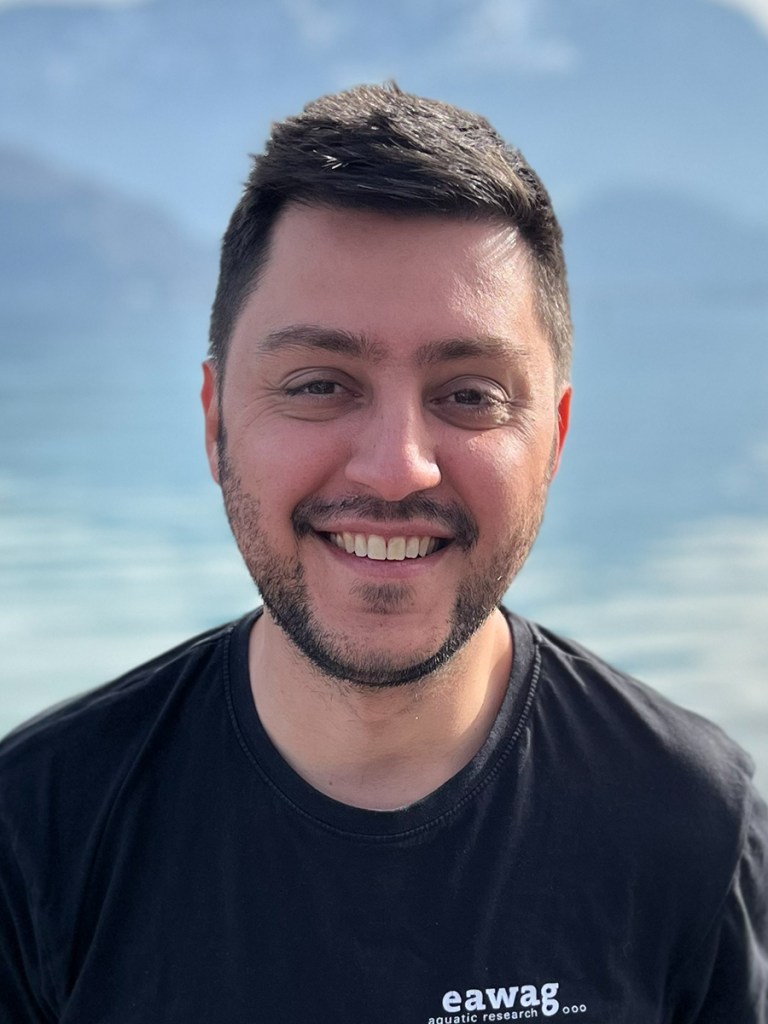
Leonardo Capitani (eawag)
Who am I? Well, I am an ecologist. What is an ecologist? An ecologist is someone who finds excitement in the beauty and complexity of nature. In fact, I have found excitement to do research in the Amazon floodplains, Atlantic tropical reefs and now in Swiss lakes. I am also a passionate educator and thoroughly enjoy chances to teach and learn with audiences of all levels of prior experience. More details: please see my personal web page.

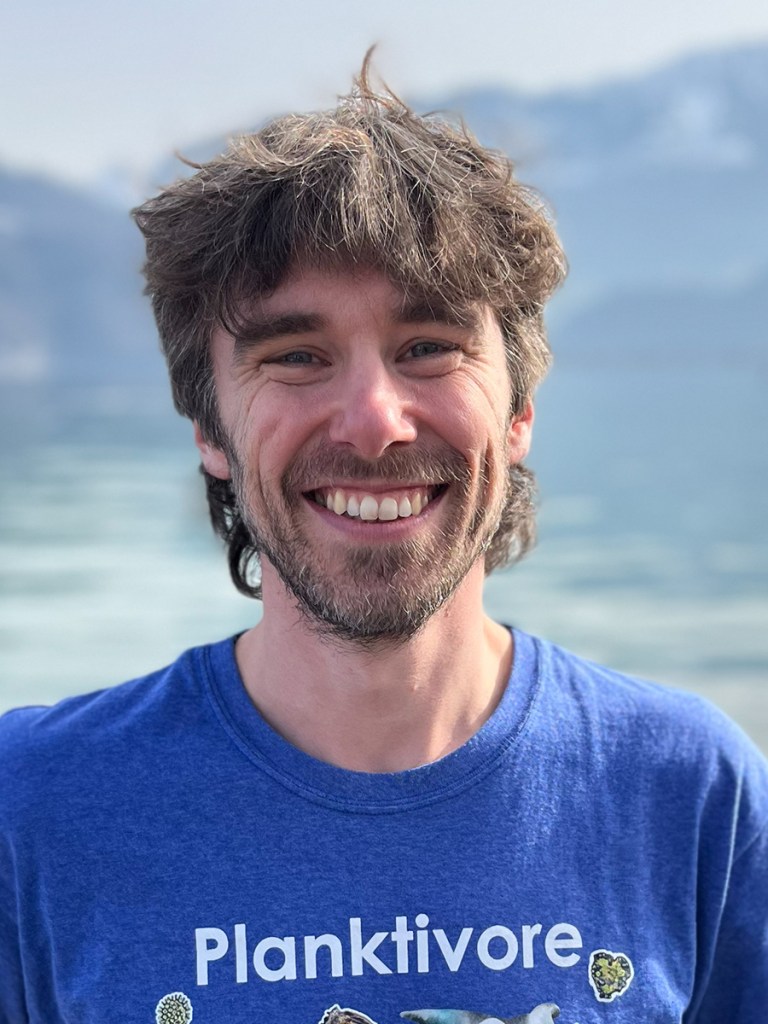
Marco Baity-Jesi (eawag)
I use machine learning and statistical physics methods to tackle problems with large available datasets, and which involve a large number of interacting agents. I am also interested in the interaction between dynamics and energy / loss function landscape in systems with a large number of variables, ranging from toy models to deep neural networks.
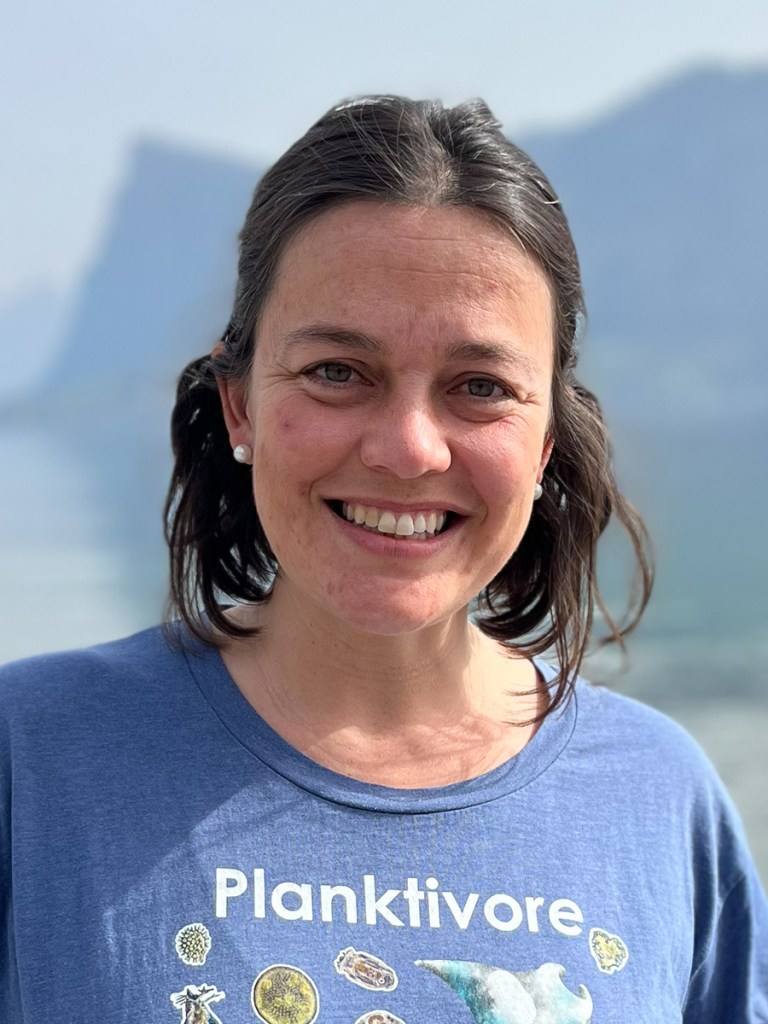
Marta Reyes (eawag)
I am an Aquatic Ecologist, working as a Research Technician, broadly interested in aquatic foodweb dynamics and ecosystem processes as well as in their responses to environmental change and human impacts. I have worked with several groups of organism in the past, including fishes and macroinvertebrates, but I am currently most fascinated by the beauty of phytoplankton.
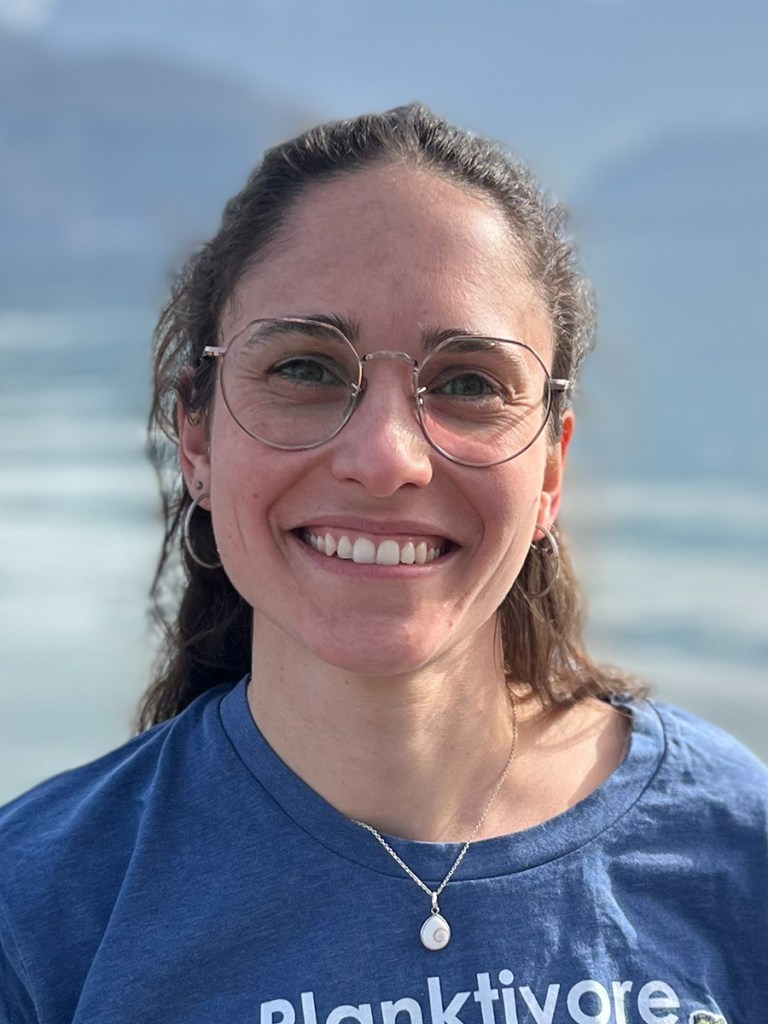
Ona Deulofeu Capo (eawag)
I work in the field of aquatic microbial ecology, and in this project, I focus on the temporal metagenomic time series from Greifensee. I am interested not only in identifying which organisms inhabit the lake—from zooplankton and phytoplankton to prokaryotes and viruses—but also in understanding their functional potential, including their metabolic capabilities, strain-level diversity, and temporal dynamics. By analyzing this time series, we aim to explore how microbial populations evolve and how their interactions shift over time.

Pinelopi Ntetsika (eawag)
I am a freshly graduated ecologist excited to start my PhD in cyanoHABs. I have a strong interest in aquatic ecosystems and I am particularly keen on studying contemporary evolution in a community context. In this project, I aim to understand the eco-evolutionary mechanisms that trigger cyanoHABs. I enjoy exchanging ideas and working in an interdisciplinary environment.
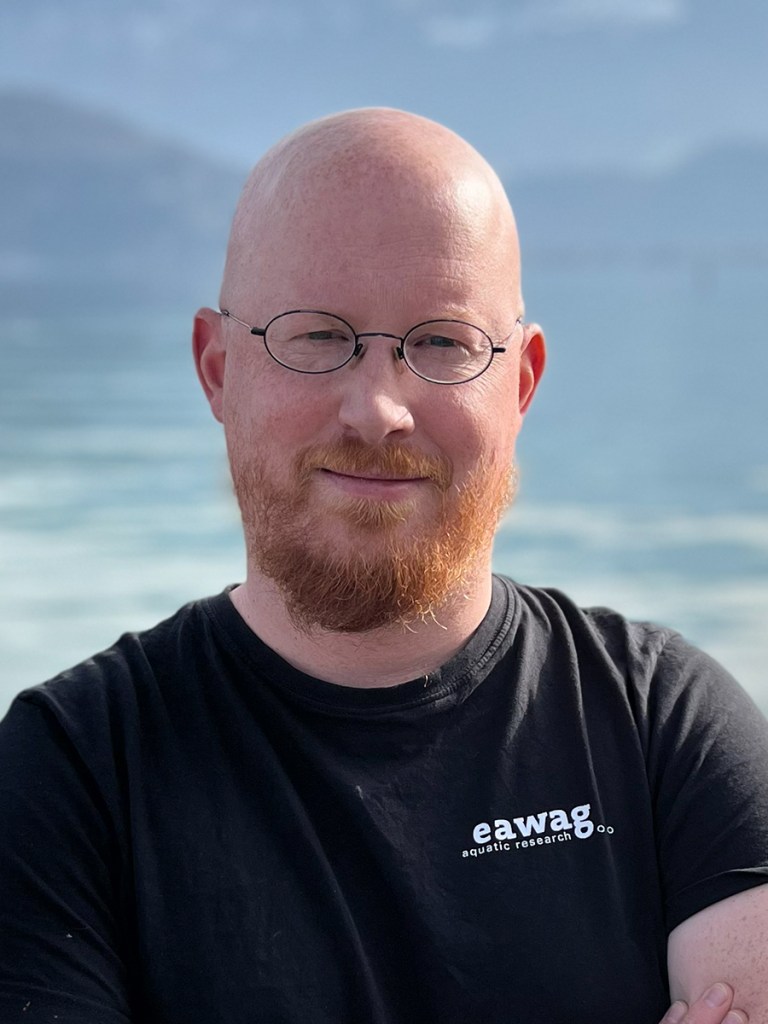
Raphaël Bossart (eawag)
I am a well-rounded research technician at the department of Aquatic Ecology (Eco) at Eawag. I am involved in a multitude of different projects where I am mainly involved in questions and issues related to molecular biology but not exclusively. I was trained as a Lab technician at ETH’s Department of Biosystems Science and Engineering (D-BSSE) and I have a bachelor in Biotechnology. I like science and being in Nature.
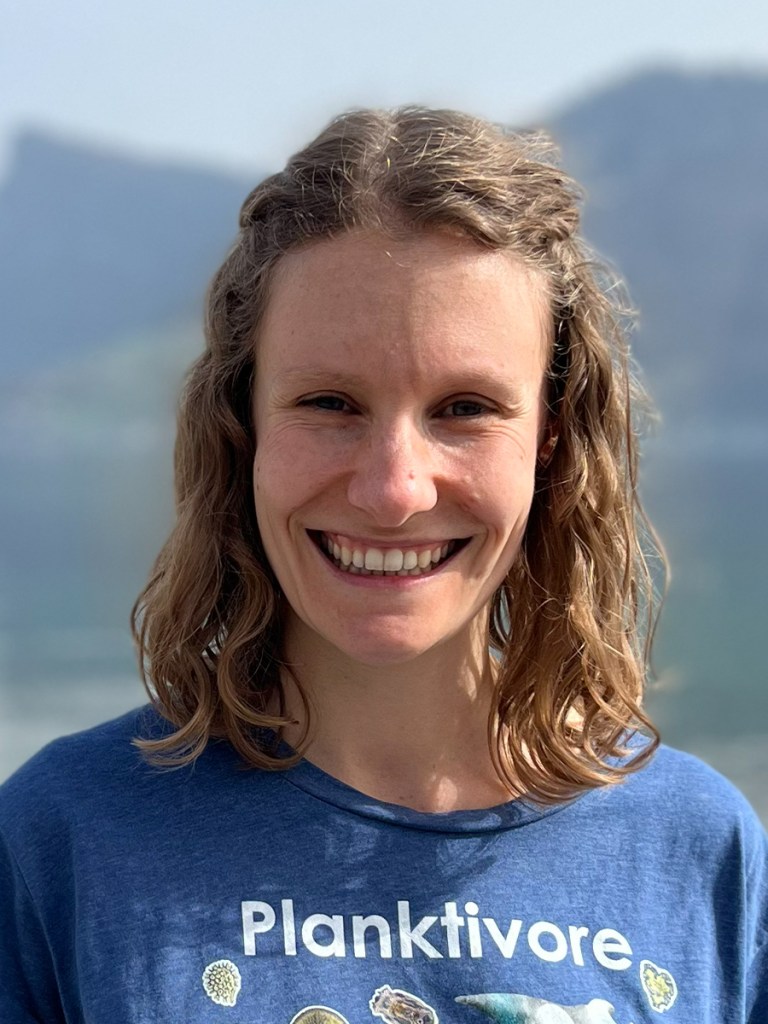
Stefanie Eyring (eawag)
I am an ecologist with a background in biology and environmetal sciences and a heart for plankton. I developed my interests during my master thesis in Francesco’s group. After a short detour and internship with the cantonal authorities, I returned to Eawag as a Research Assistant exploring field work, the lab and data.
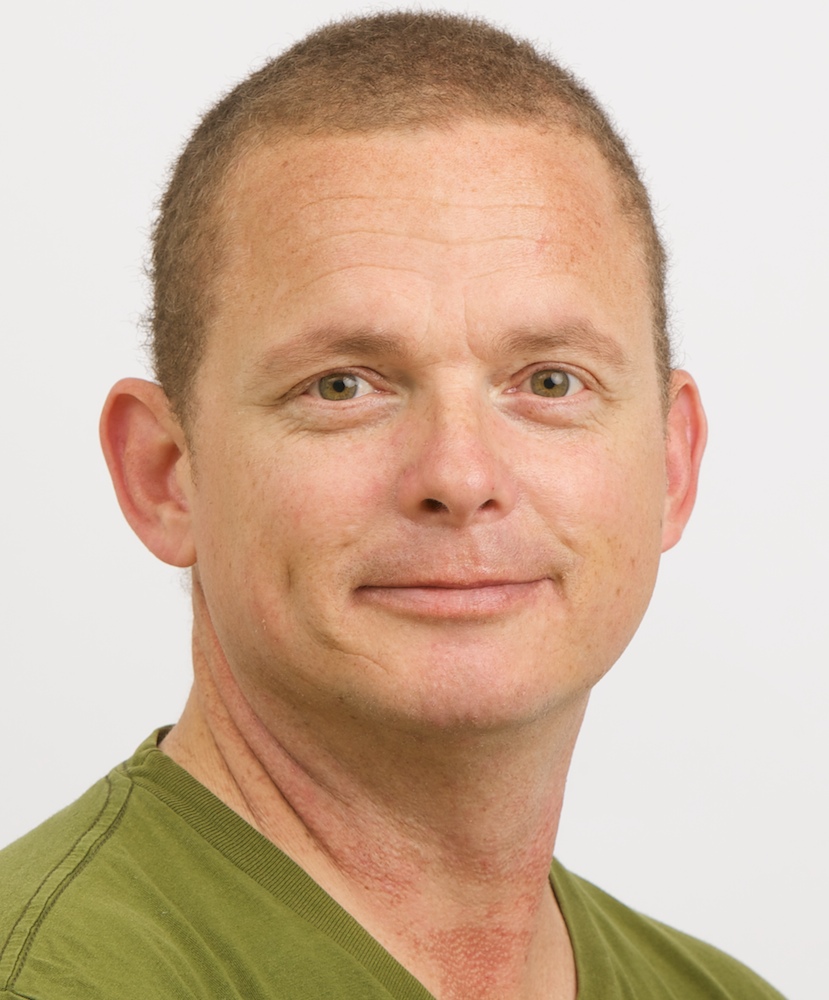
Stuart Dennis (eawag)
I am an evolutionary biologist and with a strong focus on aquatic ecology, in particular waterfleas (Daphnia). My research interests focus on how organisms interact with the world around them, how diversity arises and is maintained, and how genomic organisation, genetic architecture, hormonal signalling / physiological processes combine to coordinate those processes.
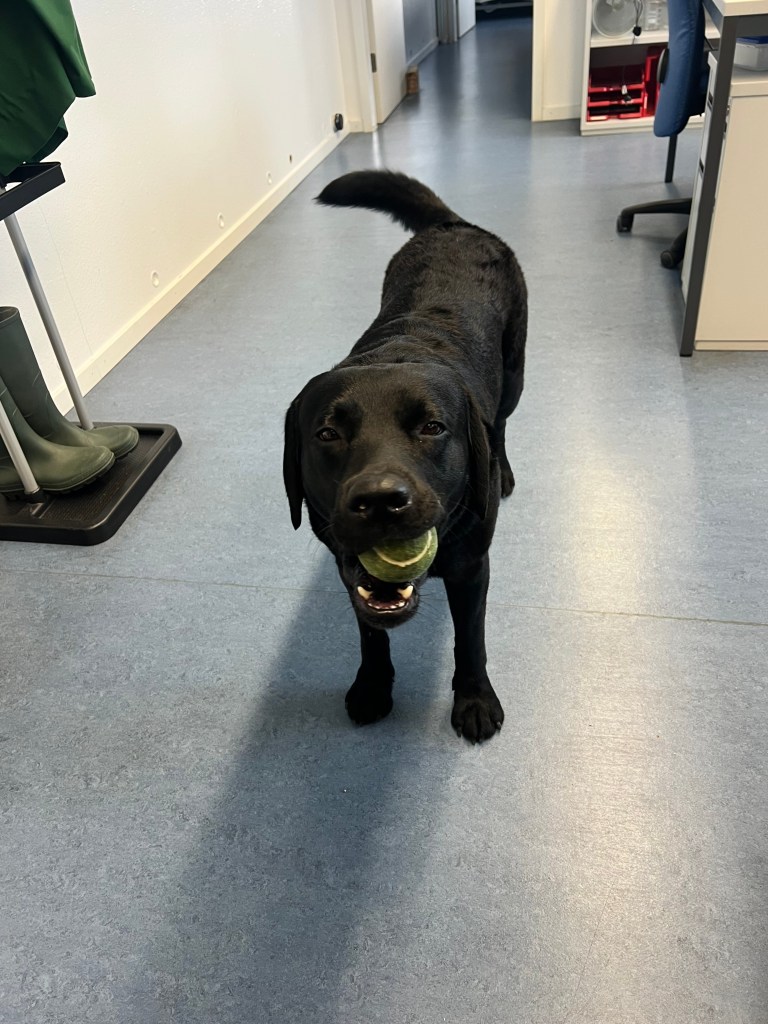
OSCAR (Chief Snack Officer & Mobile Mood Stabilizer)
Oscar contributes to the group by monitoring snack distributions and ensuring that no edible resource remains unsampled. With a finely tuned detection threshold for pellet‑sized particles, he exemplifies bottom‑up control—particularly those regulated by treat availability. As a highly connected node in the team’s social network, he enhances communication, emotional support, and cross‑departmental petting efficiency.
His movement ecology frequently resembles stochastic snack‑space reconstruction, dynamically updating internal S(nack)-maps to forecast the location of treats. Oscar also conducts Canine‑Couch Mapping, a behavioural routine in which he identifies occupied soft surfaces and optimizes them by gently (or not so gently) pushing humans aside to maximize his own lounging area. During ball‑retrieval experiments, he displays drift–chase behaviour with widely variable ball‑release probabilities.
Oscar’s ongoing projects include refining Cross‑Canine Mapping to determine optimal human–snack pathways and developing an empirical dog‑based model to secure continuous funding in the form of treats, attention, and fresh tennis balls.
collaborator

Paul L. D. Roberts (MBARI)
Paul Roberts is a Research Engineer at MBARI. Before, he worked at the Scripps Institution of Oceanography for 18 years designing and building underwater imaging instruments to study marine animals. He specializes in underwater microscopy, computer vision, machine learning, and underwater instrument design. Paul is dedicated to advancing our ability to study marine animals in their natural environment by leveraging state-of-the-art technologies from a wide range of engineering disciplines.
past team members

Ewa merz (eawag)
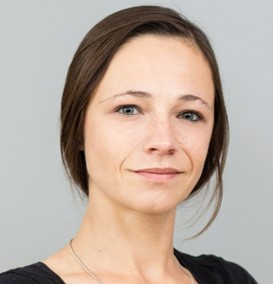
thea kozakiewicz (eawag)

peter isles (EAWAG)

Thomas Lorimer (eawag)
Agostino Merico (ZMT)
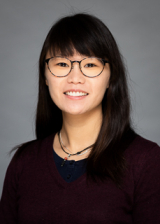
Sze Wing (Debbie) To (ZMT)

esteban acevedo-trejos (ZMT)
S. Lan smith (jamstec)

 AQUASCOPE